Understanding gambling addiction Signs and prevention strategies
What is Gambling Addiction?
Gambling addiction, often referred to as compulsive gambling, is a behavioral disorder characterized by an uncontrollable urge to gamble despite harmful consequences. Individuals grappling with this addiction often find themselves unable to manage their gambling habits, leading to significant emotional and financial distress. The addiction can stem from a combination of biological, psychological, and environmental factors, making it a complex issue that requires comprehensive understanding and intervention. For those seeking excitement, the aviator game offers a unique experience paired with instant payouts.
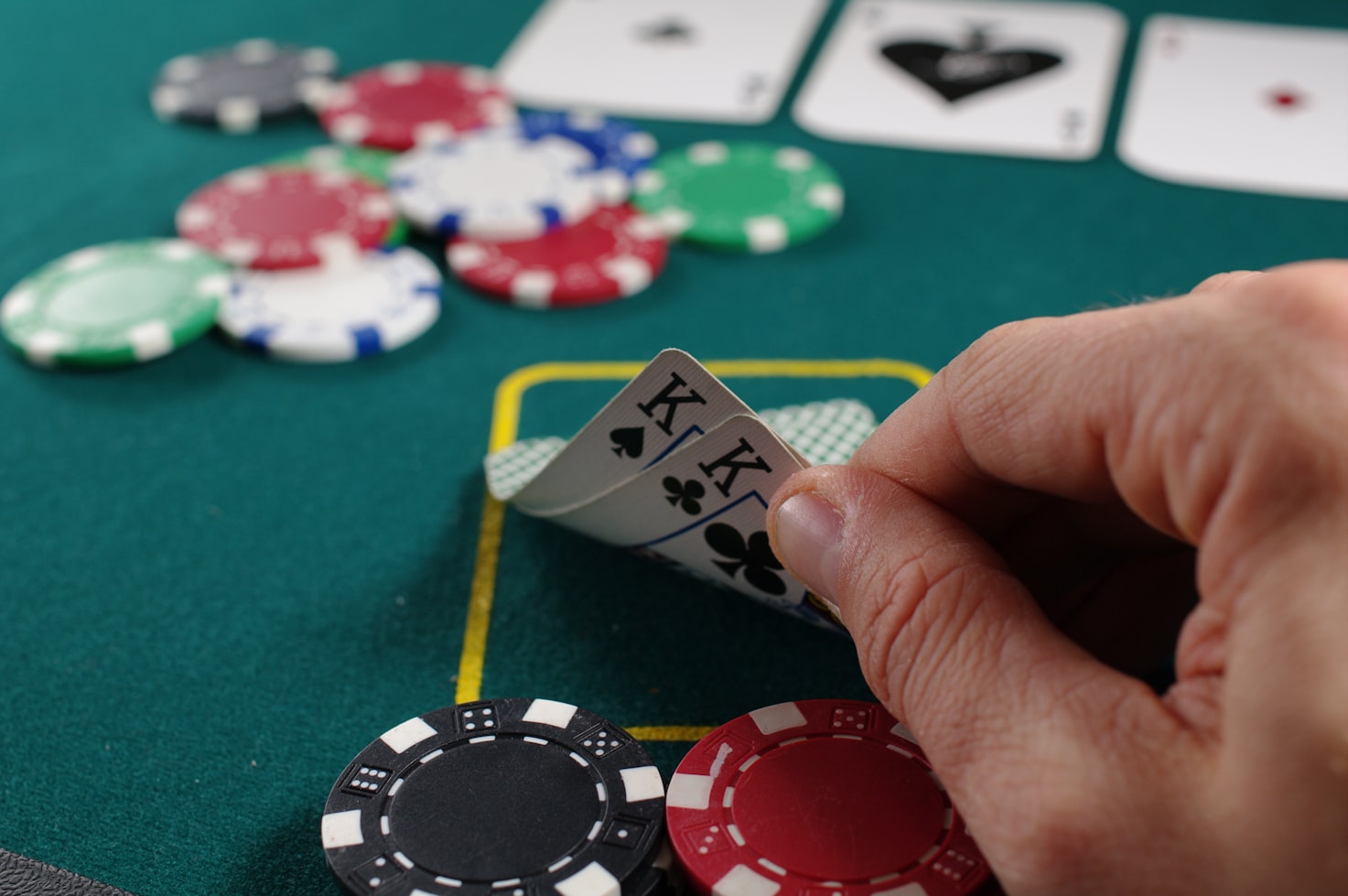
This disorder manifests in various forms, from casual betting to frequent visits to casinos or online gambling platforms. People who suffer from gambling addiction may experience a euphoric rush during gambling but can quickly transition into feelings of guilt or anxiety once the thrill subsides. Recognizing these patterns is crucial for early intervention, as the longer an individual remains trapped in these cycles, the harder it becomes to seek help and regain control.
Understanding gambling addiction also involves recognizing its prevalence. The World Health Organization has identified gambling disorder as a significant public health issue, with millions affected worldwide. This highlights the importance of awareness and education, not only for potential gamblers but also for families, friends, and professionals who might encounter individuals struggling with this addiction.
Signs of Gambling Addiction
Recognizing the signs of gambling addiction is essential for early intervention. One of the primary indicators is the preoccupation with gambling. Individuals may find themselves constantly thinking about their next gambling opportunity, planning their betting activities, or reliving past gambling experiences. This relentless focus can overshadow other important aspects of life, including work, relationships, and personal health.
Another significant sign is the loss of control over gambling behavior. Individuals may attempt to cut back on their gambling activities or stop entirely but often find themselves unable to do so. This struggle often leads to deception, as they may hide their gambling habits from loved ones or engage in reckless gambling to recover lost money. Such behaviors can escalate, affecting not just the individual but also their family and social circles.
Additionally, individuals with gambling addiction may experience negative emotions when not gambling. Feelings of anxiety, restlessness, or irritability can surface, which can only be alleviated by returning to gambling. This emotional rollercoaster often leads to a downward spiral, making it increasingly difficult for individuals to seek help, as they may feel isolated and ashamed of their behaviors.
Consequences of Gambling Addiction
The consequences of gambling addiction can be far-reaching and devastating. Financially, individuals may incur significant debts, leading to bankruptcy or loss of savings. This financial strain often translates into stress and instability within families, affecting relationships and overall quality of life. Many individuals resort to borrowing money or engaging in illegal activities to fund their gambling, which can further compound their problems.
Emotionally, gambling addiction can lead to severe mental health issues, including anxiety, depression, and even suicidal thoughts. The emotional toll taken by constant gambling can create a sense of hopelessness, making recovery seem unattainable. This psychological burden is often exacerbated by feelings of shame and guilt, leading to a vicious cycle that can be challenging to escape.
Moreover, the impact of gambling addiction extends beyond the individual to affect families and communities. Loved ones often bear the brunt of the consequences, facing emotional strain and financial instability. Children in families dealing with gambling addiction may experience neglect or instability, further perpetuating cycles of dysfunction. Raising awareness about these consequences can help in fostering supportive environments for those seeking help.
Prevention Strategies for Gambling Addiction
Preventing gambling addiction involves a multi-faceted approach that includes education, awareness, and open communication. Educating individuals, particularly young people, about the risks and realities of gambling can empower them to make informed decisions. Schools and community programs should incorporate discussions around responsible gambling and the potential consequences of addiction to foster a culture of awareness.
Open communication within families is also critical. Encouraging discussions about gambling can create a supportive environment where individuals feel comfortable sharing their thoughts and concerns. Families should establish clear boundaries and guidelines regarding gambling activities, helping to mitigate risks. Engaging in recreational activities together can serve as alternatives to gambling, fostering stronger bonds and healthier coping mechanisms.
Lastly, promoting access to support resources and services is vital for prevention. Communities should invest in establishing support networks, such as counseling services and hotlines, to offer immediate assistance to those struggling with gambling-related issues. Early intervention and ongoing support can significantly reduce the risk of developing a gambling addiction and provide a pathway to recovery for those in need.

Conclusion: The Importance of Awareness
Understanding gambling addiction is crucial for developing effective prevention strategies. With the right knowledge, individuals and families can recognize the signs of gambling addiction early, fostering an environment conducive to seeking help. Raising awareness about the potential dangers of gambling and encouraging open communication can help mitigate the risks associated with this behavioral disorder.
The journey towards recovery from gambling addiction is often challenging, but it is essential to remember that help is available. By taking proactive steps to educate and support individuals, we can create a healthier, more informed society. Gambling can be an enjoyable activity when engaged in responsibly, and by prioritizing awareness and prevention, we can ensure it remains a source of entertainment rather than a source of distress.